


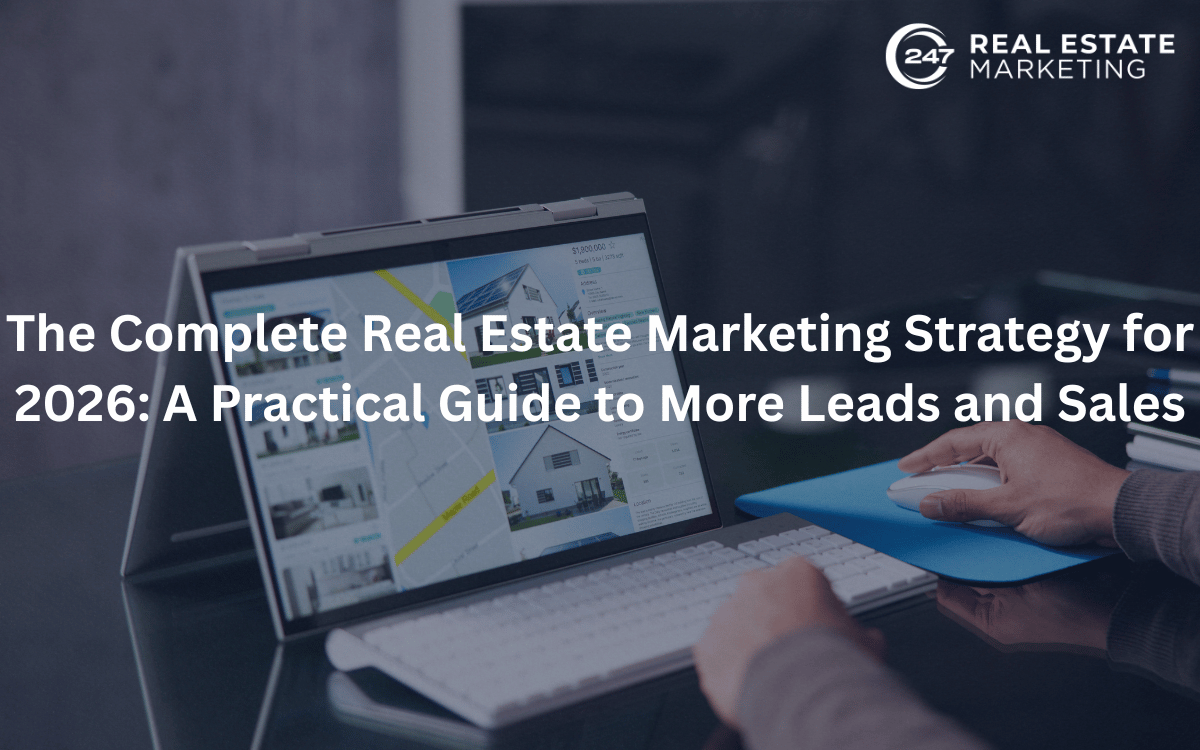
Real estate marketing has changed dramatically. Buyers no longer discover a property through one advertisement and immediately contact a salesperson. They search Google, compare projects, check reviews, browse social media, explore websites, ask questions on messaging apps, and increasingly use AI-powered search tools before making a decision. That makes Real Estate Website Design more important than ever because your website often becomes the central point where buyers verify everything they have discovered elsewhere.
The challenge for developers, brokers, and real estate businesses isn’t a shortage of marketing channels. It’s knowing which channels to prioritize, how they should work together, and where to invest first. A successful strategy starts with a strong foundation and then connects organic search, paid advertising, social media, content, messaging, lead management, and emerging search behavior into one coordinated system.
Start With Strong Brand Positioning
Before spending money on advertising, make sure buyers can understand what makes your property or company different.
Your position should answer a simple question: Why should someone choose this project instead of another property on their shortlist?
That difference could be the location, pricing, amenities, builder reputation, investment potential, architecture, possession timeline, or a combination of several factors.
Create a clear value proposition and maintain consistent messaging across your website, advertisements, social profiles, brochures, and sales conversations. Trust signals are equally important. Display relevant registration details, certifications, awards, completed projects, testimonials, and other information that helps buyers feel confident.
Strong branding doesn’t mean using expensive graphics everywhere. It means creating a recognizable identity and communicating the same promise at every stage of the buyer journey.
Building a Website That Turns Interest into Action
A real estate website should do more than display beautiful property photographs. It should help buyers make progress.
Important information such as floor plans, amenities, location advantages, pricing information, project specifications, possession details, and contact options should be easy to find.
Every important page should have a clear next step. Depending on the buyer’s stage, this could be:
- Book a site visit
- Download a brochure
- Request pricing
- Speak with an advisor
- Schedule a callback
- Start a WhatsApp conversation
Speed matters too. A slow website can create doubt before a buyer even considers the property itself. Make the experience responsive, simple, and easy to navigate on smaller screens.
Most importantly, don’t force visitors to complete lengthy forms. Ask for the minimum information necessary and make contacting the sales team effortless.
Make SEO a Long-Term Lead Generation Channel
Paid advertising can deliver traffic quickly, but SEO creates an asset that can continue attracting potential buyers over time.
Start by researching the searches your audience actually makes. These might include property type, location, price range, amenities, investment questions, developer searches, and comparisons between different areas.
Create dedicated pages for important locations and property categories. Optimize titles, descriptions, headings, URLs, internal links, images, and structured data. Technical issues such as broken links, slow pages, duplicate content, and indexing problems should also be addressed.
Content should answer genuine buyer questions rather than repeatedly promoting the same project.
For example, instead of publishing another article about why your development is “luxurious,” consider topics such as:
- Is this location good for property investment?
- What should first-time buyers check before purchasing?
- What documents are needed when buying a home?
- What amenities matter most to families?
- How should buyers compare two residential projects?
Useful content has a much better chance of attracting people earlier in the buying journey.
Strengthening Local Visibility
Real estate is inherently connected to location, which makes local search extremely valuable.
Keep your Google Business Profile accurate and complete. Add current photographs, respond to reviews, update business information, and publish meaningful updates when appropriate.
Reviews deserve particular attention. Genuine feedback from customers can strengthen trust and influence how potential buyers perceive a company before they ever make contact.
Local landing pages can also help businesses target specific cities, neighborhoods, and property markets without relying on a single generic page.
Use Paid Advertising with a Conversion Plan
Google Ads can generate high-intent traffic quickly, but simply increasing ad spend doesn’t guarantee better results.
Build campaigns around specific search intent. Someone searching for a three-bedroom apartment in a particular location has a different intent from someone searching generally for luxury properties.
Create dedicated landing pages for important campaigns instead of sending every visitor to the homepage. The landing page should match the advertisement and focus on one clear conversion goal.
Track calls, forms, brochure downloads, WhatsApp conversations, and site-visit requests. Use negative keywords to remove irrelevant traffic and retarget visitors who showed interest but didn’t convert.
The goal isn’t to generate the cheapest possible lead. It’s to generate qualified leads that have a realistic chance of becoming sales.
Turning Social Media into a Trust-Building Channel
Real estate social media often becomes repetitive: property photos, promotional offers, amenities, and another brochure post.
That approach misses an opportunity.
Use social platforms to show the real story behind the project. Construction progress, neighborhood tours, walkthroughs, buyer questions, team members, customer experiences, and short educational videos can create much stronger engagement.
Short-form video is especially useful for demonstrating spaces that are difficult to communicate through static images.
Social media should also be treated as a conversation. Respond to comments and direct messages promptly. Use polls and Q&A sessions to discover what your audience actually wants to know.
Making Content Useful, Not Promotional
Good real estate content should feel helpful even when the reader isn’t ready to buy.
Think about the questions a buyer might ask during the research phase. Then create content that provides clear, practical answers.
A strong article should have a logical structure, useful headings, concise paragraphs, relevant internal links, and a clear next step. Older articles should also be reviewed periodically because property prices, regulations, infrastructure developments, market conditions, and buyer preferences can change.
One well-maintained article can continue attracting organic visitors long after publication, making content a valuable long-term marketing investment.
Combine Email with WhatsApp Follow-Ups
Getting an enquiry is only the beginning.
Many prospective buyers aren’t ready to book a site visit immediately. They may need pricing information, floor plans, financing details, location information, or time to discuss the purchase with their family.
Create a simple nurturing sequence. After an enquiry, the buyer received confirmation, brochure, relevant project information, a site-visit invitation, and a follow-up message.
Segment your audience whenever possible. A first-time homebuyer shouldn’t necessarily receive the same communication as an investor or an NRI buyer.
Keep messages short, useful, and personal. Automated communication should still sound like it was created for a real person.
Make Mobile Experience a Priority
A large portion of property research happens while people are using their phones, which means the mobile experience cannot be treated as an afterthought. A well-planned Mobile Marketing strategy ensures that potential buyers can discover, evaluate, and enquire about a property easily, regardless of the device they use.
Make sure property pages load quickly, buttons are easy to tap, forms are simple, and important information isn’t hidden behind complicated menus.
Click-to-call and WhatsApp options should be easy to find. Videos should work smoothly on mobile connections, while images should be optimized without sacrificing quality.
Your advertisements, landing pages, forms, emails, and social content should all provide a consistent mobile experience.
A useful test is simple: open your website on your phone and try to complete the entire buyer journey yourself. Can you find pricing? Can you understand the project? Can you locate the property? Can you request a site visit within a minute or two?
If not, there is room for improvement.
Preparing for AI-Powered Search
Search behavior is expanding beyond traditional search engines. Buyers are increasingly using conversational tools to research neighborhoods, builders, investment opportunities, and property options.
This creates a new visibility opportunity for real estate companies.
Content should be structured so that important information is easy for both people and search systems to understand. Use descriptive headings, direct answers, FAQs, accurate facts, structured data, and supporting content that demonstrates knowledge of a particular market.
Don’t create content solely because an AI platform exists. Build genuine topical authority around the questions your audience cares about.
Don’t Let Leads Get Lost After They Arrive
Even excellent marketing cannot compensate for poor follow-up.
Set up a CRM so every enquiry has a clear status and owner. New leads should receive a prompt response, while high-intent prospects should receive appropriate priority.
Track the journey from:
Enquiry → Qualified Lead → Site Visit → Negotiation → Booking
This allows you to identify where prospects are dropping out.
For example, if advertising produces hundreds of enquiries but very few site visits, the problem may not be advertising. It could be lead quality, response time, sales communication, or the offer itself.
Measure What Actually Produces Revenue
Marketing reports should go beyond impressions, clicks, and lead volume.
Track metrics such as:
- Cost per lead
- Qualified lead rate
- Cost per site visit
- Enquiry-to-site-visit rate
- Site-visit-to-booking rate
- Customer acquisition cost
- Revenue by marketing channel
Review these numbers regularly and move budget toward channels that produce meaningful business outcomes.
A campaign with fewer leads can be more successful than one generating thousands of enquiries if those leads are significantly more qualified.
Common Mistakes to Avoid
Several mistakes continue to hurt real estate marketing performance:
- Running paid campaigns before the website is ready
- Copying competitors instead of developing clear positioning
- Publishing blogs without understanding search intent
- Ignoring reviews and local visibility
- Treating social media as a digital brochure
- Using long, complicated enquiry forms
- Taking too long to respond to new leads
- Measuring leads without measuring bookings
- Focusing on individual channels instead of the complete customer journey
The solution isn’t necessarily more marketing. In many cases, it’s better coordination between the marketing and sales process.
Conclusion: Build a Marketing System, not a Collection of Channels
Successful real estate marketing in 2026 is about creating a connected buyer journey. Your branding establishes trust, your website provides information, SEO brings long-term visibility, paid campaigns capture immediate demand, social media builds familiarity, content answers questions, messaging nurtures prospects, and sales follow-up turns interest into appointments and bookings.
At the same time, search is evolving. AI Search Optimization for Real Estate should become part of a broader digital strategy focused on useful content, strong brand signals, accurate information, topical authority, and a consistent online presence.
The most effective approach is to review the entire funnel regularly rather than chasing every new platform or trend. Identify the weakest stage, improve it, measure the result, and then move to the next opportunity. Real estate buyers may take weeks or months to decide, but every interaction during that journey shapes their perception of your brand. When those interactions are consistent, useful, fast, and trustworthy, marketing stops being a collection of disconnected activities and becomes a system designed to generate better leads and more sales.