


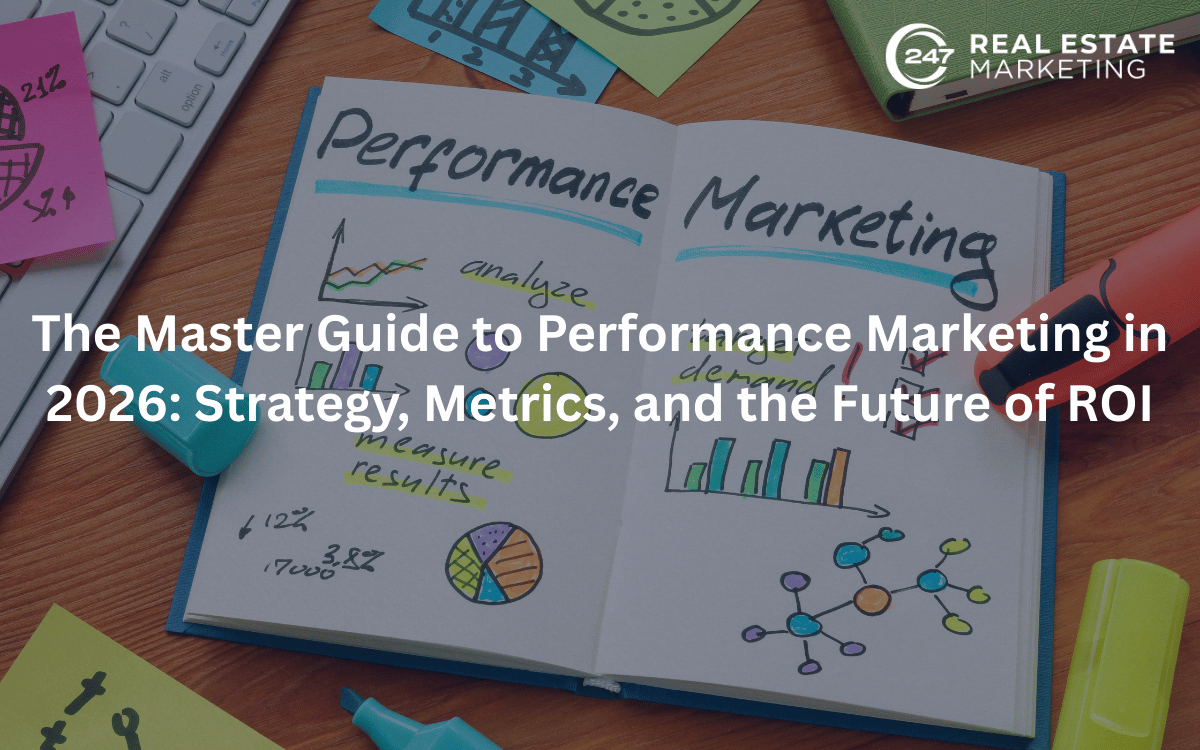
In the digital landscape of 2026, the marketing world has undergone a fundamental shift. Gone are the days when CMOs would cross their fingers and hope that a massive “brand awareness” expenditure would eventually trickle down into sales. Today, the industry is defined by accountability. Performance marketing has evolved from a niche tactic into a comprehensive, data-driven discipline that ensures every dollar spent is a dollar tracked.
This guide explores the meaning of performance marketing, the technical mechanics of a winning strategy, and how new technologies like Generative AI are reshaping the way we acquire customers.
What Exactly is Performance Marketing?
To define it simply: Performance marketing is a result-focused advertising approach where advertisers only pay when a specific, pre-defined action occurs. In traditional advertising, you pay for “real estate” a billboard on a highway or a 30-second slot during a sports game. You are paying for the possibility of being seen. Performance marketing flips this script. In this model, the financial risk shifts from the advertiser to the publisher or platform. You pay for outcomes, such as:
- A completed sale.
- A qualified lead.
- A mobile app installation.
- A specific link click.
This level of transparency allows businesses to treat marketing as a variable cost of goods sold rather than a fixed overhead expense. If the campaign doesn’t perform, you don’t pay.
Performance Marketing vs. Performance Advertising
While often used interchangeably, there is a nuance. Performance Advertising refers to the tactical execution the individual ads on Meta or Google that are billed by results. Performance Marketing is a broader strategic framework. It encompasses the data analysis, the SEO and Conversion Strategy, the creative testing, and the holistic management of all paid efforts to ensure long-term, sustainable growth.
The Vital Signs: Essential Metrics for 2026
You cannot manage what you cannot measure. To master performance marketing, you must move beyond “vanity metrics” like likes or followers and focus on data that impacts the bottom line.
1. Cost Per Acquisition (CPA)
Often called the “gold standard,” CPA measures exactly what it costs to gain one new customer. By 2026 standards, a healthy CPA is relative to your product price, but the goal is always to keep this number below the initial profit margin of the first purchase.
2. Return on Ad Spend (ROAS)
ROAS is a direct calculation of revenue generated for every dollar spent on advertising. For example, if you spend $1,000 and generate $5,000 in sales, your ROAS is 5x.
3. Customer Lifetime Value (LTV)
In 2026, savvy marketers look beyond the first transaction. LTV predicts the total revenue a customer will generate over their entire relationship with your brand. High-growth companies are willing to have a higher CPA if they know their LTV is exceptionally strong.
4. Cost Per Lead (CPL)
Crucial for B2B and high-ticket industries like real estate or legal services, CPL tracks the cost of getting a prospect to sign up for a newsletter or request a quote.
High-Impact Channels and Strategies
Modern brands utilize an “omnichannel” approach, ensuring they capture users at every stage of the funnel.
Search Engine Marketing (SEM)
Paid search remains the titan of performance marketing because it captures intent. When someone searches for a specific product, they are often ready to buy. However, in 2026, SEM is no longer just about keywords; it’s about understanding the user’s “search journey.”
Social Media & Social Commerce
Platforms like TikTok, Instagram, and LinkedIn have integrated into “one-click” buying. Social commerce allows users to go from discovery to checkout without ever leaving the app, significantly reducing friction in the conversion funnel.
Specialized Industries: The Case for Real Estate
Certain industries require a more surgical approach. For instance, luxury property markets cannot rely on broad ads alone. They require specialized Real Estate SEO Services to capture organic high-intent traffic while simultaneously using paid performance ads to retarget those visitors. This hybrid approach ensures that the brand dominates both paid and organic search results.
The AI Revolution: Generative Optimization
The biggest update to performance marketing in recent years is the integration of Generative AI Optimization. This technology has moved past writing simple headlines.
Today, AI models handle:
- Dynamic Creative Optimization (DCO): Automatically generating thousands of versions of an ad to find the perfect combination of image, headline, and CTA for each individual user.
- Predictive Bidding: AI algorithms now predict which users are most likely to convert before the bid is even placed, allowing for more efficient use of the budget.
- Advanced Discovery: With the rise of AI-driven search, brands must now invest in AI Search Optimization for Real Estate and other sectors to ensure their data is properly indexed and “recommended” by AI agents and LLM-based search engines.
Building a Winning Performance Marketing Strategy
To succeed in this competitive landscape, follow this five-step roadmap:
Step 1: Define Your North Star Metric
Don’t try to track everything at once. Decide if your goal is immediate sales (CPA focus) or building a pipeline (CPL focus).
Step 2: Establish a Robust Tracking Infrastructure
Before spending a single dollar, ensure your tracking pixels and server-side tagging are flawless. In a world of increased privacy regulations and “cookie less” browsing, first-party data is your most asset.
Step 3: Align Creative with Conversion
An ad is only as good as the page it leads to. Your performance strategy must be supported by a rigorous SEO and Conversion Strategy. If your landing page is slow, confusing, or not mobile-optimized, you are essentially throwing your ad spend away.
Step 4: Test, Fail, and Iterate
Performance marketing is a laboratory. Run A/B tests everything from the color of a button to the tone of the copy. Use the data from “failed” ads to inform your next big win.
Step 5: Scale Based on Evidence
Once you find a channel or creative that delivers a positive ROAS, scale aggressively. Performance marketing allows for “predictable growth” if you know that $1 in equals $4 out, you can confidently increase your budget.
The Final Takeaway
Performance marketing in 2026 is no longer a “set it and forget it” endeavor. It is a collaborative, high-speed discipline that requires a blend of creative intuition and technical mastery. By focusing on confirmed outcomes rather than vague impressions, businesses can shift from speculative spending to precision-driven growth.
The future belongs to those who can bridge the gap between human strategy and AI execution. Whether you are leveraging global marketplaces or seeking local dominance through Real Estate SEO Services, the goal remains the same: driving measurable, profitable results.